
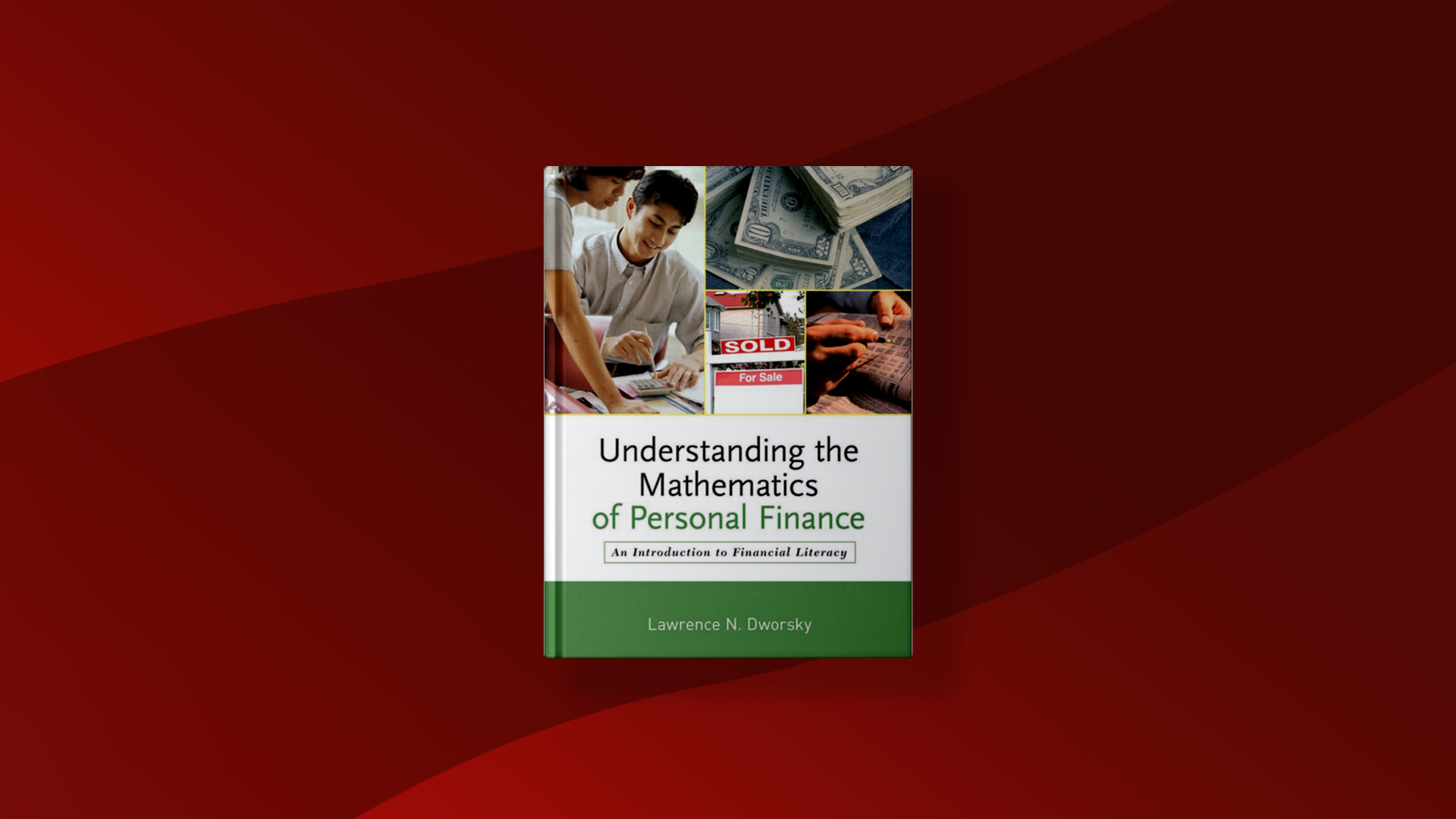
کتاب درک ریاضیات مالی شخصی با زبانی ساده و کاربردی نشان میدهد چگونه میتوان با استفاده از مفاهیم پایه ریاضی، یک ماشینحساب ساده و نرمافزارهای صفحهگسترده، هزینهها و سود واقعی تصمیمهای مالی را محاسبه و تحلیل کرد.
این کتاب مفاهیمی مانند بهره ساده و مرکب، وامها، بازپرداخت اقساط، پسانداز، وام مسکن، وام مسکن معکوس، جریمه بازپرداخت زودهنگام و بدهی کارتهای اعتباری را بهصورت گامبهگام توضیح میدهد و به جای ارائه توصیههای صرف برای سرمایهگذاری یا وامگیری، مهارت لازم برای تحلیل و تصمیمگیری مالی آگاهانه را در اختیار خوانندگان قرار میدهد.
از ویژگیهای مهم این کتاب میتوان به ارائه مثالهای عملی، معرفی ماشینحسابهای مالی آنلاین، آموزش پیادهسازی محاسبات در نرمافزارهای صفحهگسترده و دسترسی به منابع تکمیلی اشاره کرد.
این اثر منبعی ارزشمند برای دانشجویان رشتههای مالی و اقتصاد و همچنین تمامی افرادی است که میخواهند دانش مالی شخصی خود را ارتقا داده و در زندگی روزمره تصمیمهای مالی دقیقتر و آگاهانهتری اتخاذ کنند.معرفی کتاب Understanding the Mathematics of Personal Finance
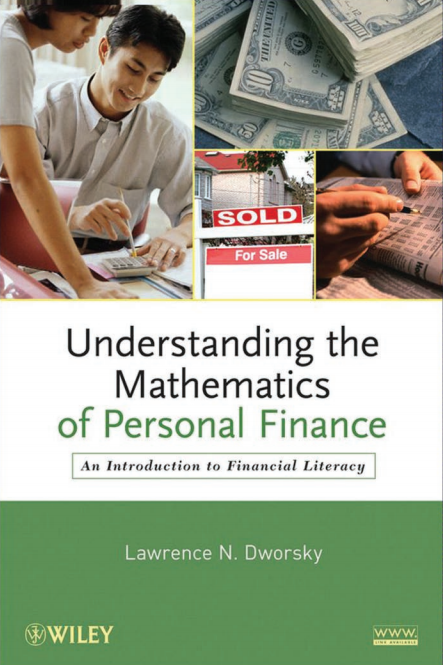
عنوان لاتین: Understanding the Mathematics of Personal Finance: An Introduction to Financial Literacy
نویسندگان: Lawrence N. Dworsky
A user-friendly presentation of the essential concepts and tools for calculating real costs and profits in personal finance
Understanding the Mathematics of Personal Finance explains how mathematics, a simple calculator, and basic computer spreadsheets can be used to break down and understand even the most complex loan structures. In an easy-to-follow style, the book clearly explains the workings of basic financial calculations, captures the concepts behind loans and interest in a step-by-step manner, and details how these steps can be implemented for practical purposes. Rather than simply providing investment and borrowing strategies, the author successfully equips readers with the skills needed to make accurate and effective decisions in all aspects of personal finance ventures, including mortgages, annuities, life insurance, and credit card debt.
The book begins with a primer on mathematics, covering the basics of arithmetic operations and notations, and proceeds to explore the concepts of interest, simple interest, and compound interest. Subsequent chapters illustrate the application of these concepts to common types of personal finance exchanges, including:
Loan amortization and savings
Mortgages, reverse mortgages, and viatical settlements
Prepayment penalties
Credit cards
The book provides readers with the tools needed to calculate real costs and profits using various financial instruments. Mathematically inclined readers will enjoy the inclusion of mathematical derivations, but these sections are visually distinct from the text and can be skipped without the loss of content or complete understanding of the material. In addition, references to online calculators and instructions for building the calculations involved in a spreadsheet are provided. Furthermore, a related Web site features additional problem sets, the spreadsheet calculators that are referenced and used throughout the book, and links to various other financial calculators.
Understanding the Mathematics of Personal Finance is an excellent book for finance courses at the undergraduate level. It is also an essential reference for individuals who are interested in learning how to make effective financial decisions in their everyday lives.
یک تیکت پشتیبانی ارسال کنید یا گفتگوهای قبلی خود را بررسی کنید.
محصولات مرتبط
The Psychology of Financial Consumer Behavior(روانشناسی رفتار مالی مصرفکنندگان)
کتاب «روانشناسی رفتار مالی مصرفکنندگان» بینشی عمیق درباره فرآیندهای فکری و ذهنی مصرفکنندگان در موضوعات مختلف مالی ارائه میدهد. این کتاب به بررسی موضوعاتی همچون نگرش افراد نسبت به ثروت، احساس لذت یا ناراحتی ناشی از خرج کردن پول، تراکنشهای بدون استفاده از وجه نقد، پسانداز و سرمایهگذاری، دریافت وام، برنامهریزی برای آینده، مالیات و آموزش مالی میپردازد.
این اثر برای پژوهشگران، متخصصان و دانشجویان رشتههای اقتصاد، روانشناسی، روانشناسی اقتصادی، بازاریابی و علوم مصرفکننده جذاب و کاربردی است. همچنین هر فردی که به شناخت رفتارهای مالی و عوامل مؤثر بر تصمیمگیریهای اقتصادی علاقهمند باشد، میتواند از مطالب این کتاب بهرهمند شود.
کتاب Enterprise Risk Management Models (مدلهای مدیریت ریسک سازمانی)
این کتاب راهنمایی جامع درباره جنبههای مختلف ریسک ارائه میکند؛ از جمله ریسک در سیستمهای اطلاعاتی، مدیریت بحران و بلایا و زنجیره تأمین. بخش قابلتوجهی از کتاب به ارائه مجموعهای از مدلهای پژوهش عملیاتی اختصاص یافته است که در مدیریت ریسک تأمین در سطح سازمان ــ یا میتوان از آنها استفاده کرد ــ بهویژه با تمرکز بر دیدگاه زنجیره تأمین. هر فصل از این کتاب میتواند بهصورت یک ماژول آموزشی مستقل درباره موضوع مربوطه مورد استفاده قرار گیرد و شامل مثالهای اختصاصی، تعاریف و نکات و مباحث تکمیلی است.
این کتاب در شرایطی منتشر شده است که جهان بیش از هر زمان دیگری با اشکال مختلف ریسک و چالش مدیریت آنها مواجه است. رویدادهای قرن بیستویکم، اهمیت مدیریت ریسک سازمانی را بیش از پیش آشکار کردهاند. ریسکهایی همچون ابهامات و نگرانیهای مرتبط با ساختارهای مدیریت ارشد سازمانها، حبابهای مالی و فناوری ــ بهویژه از سال ۲۰۰۸ به بعد ــ و همچنین تهدیدهای ناشی از تروریسم، از جمله حملات ۱۱ سپتامبر در ایالات متحده و رویدادهای تروریستی سالهای اخیر در فرانسه، بلژیک و سایر کشورهای اروپایی، تأثیرات گستردهای بر ابعاد مختلف فعالیتهای کسبوکار داشتهاند.
در واقع، کسبوکارها اساساً برای مواجهه، مدیریت و کنترل ریسکهای موجود در حوزه تخصصی فعالیت خود شکل گرفتهاند. ازاینرو، شناخت انواع ریسک، ارزیابی پیامدهای آن و طراحی سازوکارهای مناسب برای مدیریت و کاهش آن، یکی از ارکان اساسی مدیریت سازمانهای امروزی محسوب میشود.
کتاب اوراق بهادار با درآمد ثابت – جلد اول
اثری از فرانک جی فبوزی و استیون وی. مان
ترجمه: شرکت تأمین سرمایۀ امید
سال ۱۳۹۷
انتشارات بورس
کتاب Investments («سرمایهگذاری»)
راهکارهای یکپارچه آموزشی کتاب «سرمایهگذاریها» اثر بادی، کین و مارکوس، استانداردی ممتاز برای کتابهای درسی سرمایهگذاری در مقطع تحصیلات تکمیلی و دورههای MBA به شمار میرود. محور اصلی این کتاب بر این دیدگاه استوار است که بازارهای اوراق بهادار تا حد زیادی کارا هستند؛ به این معنا که قیمت اغلب اوراق بهادار، با توجه به ویژگیهای ریسک و بازده آنها، بهطور مناسب تعیین میشود.
در این اثر، تخصیص داراییها (Asset Allocation) از اهمیت بیشتری برخوردار است و در مقایسه با بسیاری از کتابهای حوزه سرمایهگذاری، مباحث مربوط به بازارهای قراردادهای آتی، اختیار معامله و سایر اوراق بهادار مشتقه با گستردگی و عمق بیشتری بررسی شدهاند.
Connect تنها یک نظام یکپارچه یادگیری است که با انطباق مستمر با نیازهای دانشجویان، محتوای آموزشی موردنیاز آنان را در زمان مناسب و به شیوهای متناسب با نیازشان ارائه میکند. این سیستم با فراهمکردن تجربه یادگیری شخصیسازیشده، به استادان کمک میکند تا زمان حضور در کلاس را تعاملمحورتر، پویاتر و اثربخشتر کنند.

نظرات
هنوز دیدگاهی ثبت نشده است.